By: Myriam Sollberger

February 13, 2025
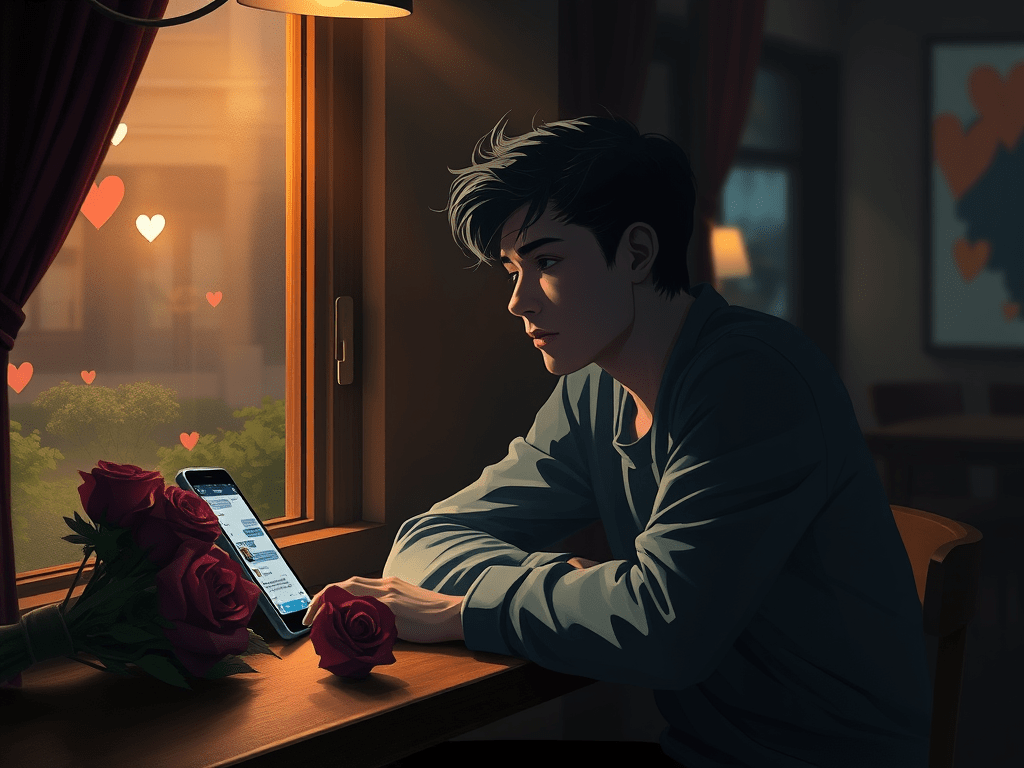
As Valentine’s Day approaches, many people seek companionship and romance, making them particularly vulnerable to online scams. Romance scams, in which fraudsters use social media and online dating platforms to exploit lonely individuals, have become increasingly sophisticated due to advancements in artificial intelligence (AI) and social engineering techniques. This article highlights how scammers target individuals, the emotional and financial impact on victims, and ways to recognize and prevent these fraudulent schemes.
The Rise of Romance Scams
Romance scams have surged in recent years, with the Federal Trade Commission (FTC) reporting that victims lost over $1.3 billion to these schemes in 2023 alone, making it one of the most financially devastating online scams (FTC, 2024). Scammers typically create fake personas using stolen or AI-generated photos, crafting elaborate backstories to gain a victim’s trust before requesting money. The emotional investment makes victims more susceptible, often leading them to ignore red flags.
Why Lonely Individuals Are Targeted?
Loneliness and the desire for emotional connection increase a person’s susceptibility to manipulation. Psychologists suggest that during holidays like Valentine’s Day, feelings of isolation become more pronounced, leading individuals to seek companionship online (Holt-Lunstad, 2023). Scammers capitalize on this emotional vulnerability, using tactics such as:
- Love bombing: Showering the victim with affection and attention.
- Emotional manipulation: Creating a sense of urgency or crisis, such as claiming they need money for a medical emergency.
- Long-distance excuses: Saying they are stationed overseas (e.g., military personnel or expatriates) to avoid meeting in person.
Social Media and Online Dating: A Scammer’s Playground
Social media platforms like Facebook, Instagram, and TikTok have become major tools for scammers, allowing them to easily target and connect with victims. By analyzing a person’s public posts, likes, and relationship status, scammers tailor their approach to appear more trustworthy and relatable.
Similarly, dating apps such as Tinder, Bumble, and Hinge have seen an increase in fake profiles, with scammers often posing as professionals, military members, or entrepreneurs. AI-powered chatbots can even simulate conversations, making interactions feel more realistic (Smith et al., 2024).
How to Protect Yourself from Romance Scams?
To safeguard against romance scams, individuals should follow these best practices:
- Verify identities: Use reverse image searches to check if a profile picture appears elsewhere on the internet.
- Be cautious with new connections: If someone professes love too quickly, it’s likely a scam.
- Avoid sending money: No legitimate romantic interest should ask for financial assistance.
- Look for inconsistencies: Scammers often contradict themselves in stories or use scripted language.
- Report suspicious accounts: If you suspect a scam, report it to the dating app, social media platform, and the FTC.
Conclusion
With Valentine’s Day upon us, many individuals will seek love and companionship online. However, this also creates opportunities for scammers to exploit loneliness and emotional vulnerability. By staying informed and recognizing red flags, individuals can protect themselves from emotional and financial harm. Remember, if something feels too good to be true, it probably is.
References
Federal Trade Commission. (2024). Romance scams: Losses top $1.3 billion in 2023. https://www.ftc.gov/news-events
Holt-Lunstad, J. (2023). The impact of loneliness on mental health and vulnerability to deception. Journal of Social Psychology, 12(3), 245-260.
Smith, A., Jones, L., & Patel, R. (2024). AI-driven romance scams: The rise of chatbot-assisted deception. Cybersecurity & Fraud Studies, 19(1), 56-72.

 Data Privacy Cybersecurity Paralegal
Leave a comment