Cybersecurity Expert | Solutions Consultant | Author
Myriam Sollberger
Hi, welcome to my page!
Welcome to Cybersecurity GRC Pro
Start your day with Cybersecurity Awareness—because protection starts with knowledge.

My name is Myriam Sollberger. I am a Cybersecurity Expert, Solutions Consultant, Author, and Anti-Human Trafficking Advocate. My mission is to empower individuals, families, and businesses to navigate the digital world safely. Whether it’s protecting children from online predators, safeguarding individuals from scams, or securing businesses against cyber threats, I provide expert guidance, education, and tailored solutions to minimize risk.

At CyberSafe Solutions Consulting, we believe that knowledge is the first line of defense. Let’s work together to strengthen cybersecurity, enhance awareness, and create a safer digital environment for all.

🔹 Stay Informed. Stay Secure. Get Educated. 🔹
About Me
About Me – Myriam Sollberger
Welcome to CyberSafe Solutions Consulting – where cybersecurity awareness, education, and protection come first.
I’m Myriam Sollberger, a Cybersecurity Professional, GRC Expert, Solutions Consultant, and Anti-Human Trafficking Advocate with a combined background in Cybersecurity, Regulatory Compliance, Intelligence, Cyber Law, and Paralegal Studies. I am an alum of the City University of New York and the American Public University System, holding advanced degrees in Cybersecurity, Digital Forensics, and Intelligence Studies.
With expertise in Cybersecurity & Privacy, Governance Risk & Compliance (GRC), Cyber Criminal Law, and Intelligence Collection, I specialize in helping individuals, families, businesses, and enterprises implement strong cybersecurity measures while navigating complex regulatory landscapes.
Areas of Expertise
🔹 Cyber Safety & Awareness Training: Protecting children, families, and businesses from cyber threats, scams, and online predators.
🔹 Regulatory Compliance & Corporate Governance: Ensuring compliance for Big Tech organizations, social media platforms, and enterprise environments with data protection laws and cybersecurity frameworks.
🔹 Cyber Criminal Law & Intellectual Property Protection: Advising on digital rights, fraud prevention, and legal enforcement in cybersecurity.
🔹 Human Trafficking Prevention & Cyber Intelligence: Educating on cyber luring, exploitation, and the role of social media in trafficking to minimize risks and enhance security strategies.
Why CyberSafe Solutions Consulting?
This website is dedicated to providing Cyber Safety Awareness for Civilians, Children, Small Businesses, and Enterprise Environments. My goal is to offer critical cybersecurity insights to help you:
✔️ Avoid scams and fraud
✔️ Protect children from online predators and cyber luring
✔️ Enhance business security and regulatory compliance
✔️ Fight against cyber-facilitated human trafficking
With cyber threats evolving every day, awareness and education are your first line of defense. Let’s work together to build a safer digital world—one informed decision at a time.
📩 Get in touch to book cybersecurity training, consulting services, or corporate risk assessments.
🔹 Stay Safe. Stay Aware. Stay CyberSecure. 🔹
Cybersecurity Expertise
- Cyber Safety & Online Protection – Educating individuals, families, and businesses on best practices to safeguard against cyber threats, scams, and online predators.
- Incident Response & Risk Mitigation – Developing incident response plans, risk assessment strategies, and security policies to protect businesses and individuals.
- Corporate Security & Compliance for Big Tech – Implementing cybersecurity governance and risk frameworks for tech companies, social media providers, and cloud-based platforms.
- Cyber Awareness Training for Small Businesses & Enterprise Security – Providing customized workshops and training programs to improve cybersecurity awareness and strengthen defenses against digital threats.
- Identity Theft & Fraud Prevention – Offering expert guidance on protecting personal data, avoiding phishing attacks, and securing online transactions.
“The new crook is the Cybercriminal!”

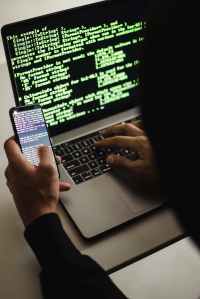
What is Cybersecurity?
Cybersecurity is a technology concept framework made up of applications and/or networks; security controls and/or processes and/or programs; utilized to protect data, information systems, networks, and all types of hardware devices from Cyber Attacks.  Cybersecurity plays an important role in minimizing the risk of Cyber Threats and/or Cyber Attacks and assisting Cyber Professionals such as myself, to protect all systems, networks, or smart technologies from being breached by unauthorized intrusions and/or exploitation. According to an article published by IT Governance Ltd. of the United Kingdom, "What is Cybersecurity? Definition and Best Practices",  Cybersecurity breaches are on the rise and so are the costs associated with Cyber breaches. The article also states, "Privacy laws such as the GDPR (General Data Protection Regulation) and DPA (Data Protection Act) 2018 can mean significant fines for organizations that suffer cyber security breaches. There are also non-financial costs to be considered, like reputational damage"(IT Governance Ltd , 2022). Organizations must protect the data and their systems. Organizations are also obligated per the United States Federal regulatory mandate of HIPAA to report any Cybersecurity Breach Incident that directly affects any United States citizen within 60 days. The notification must be provided in writing and provide details surrounding the breach incident as well as what actions need to be taken by the breached victim to protect themselves. In addition, the notice must provide details as to the investigation of the breach incident and what actions will be taken to prevent future breach incidents. In addition, if the Cybersecurity breach affects over 500 victims, the organization is obligated to provide notification via news media within that state and/or jurisdiction(Group, 2022).

References:

IT Governance Ltd , U. K. (2022, January 1). What is Cyber Security? Definition and Best Practices. IT Governance Ltd. Retrieved June 5, 2022, from https://www.itgovernance.co.uk/what-is-cybersecurity

Group, G. (2022, January 1). Data Protection Report 2021-2022 USA. International Comparative Legal Guides International Business Reports. Retrieved June 5, 2022, from https://iclg.com/practice-areas/data-protection-laws-and-regulations/
How Dangerous is Social Media?
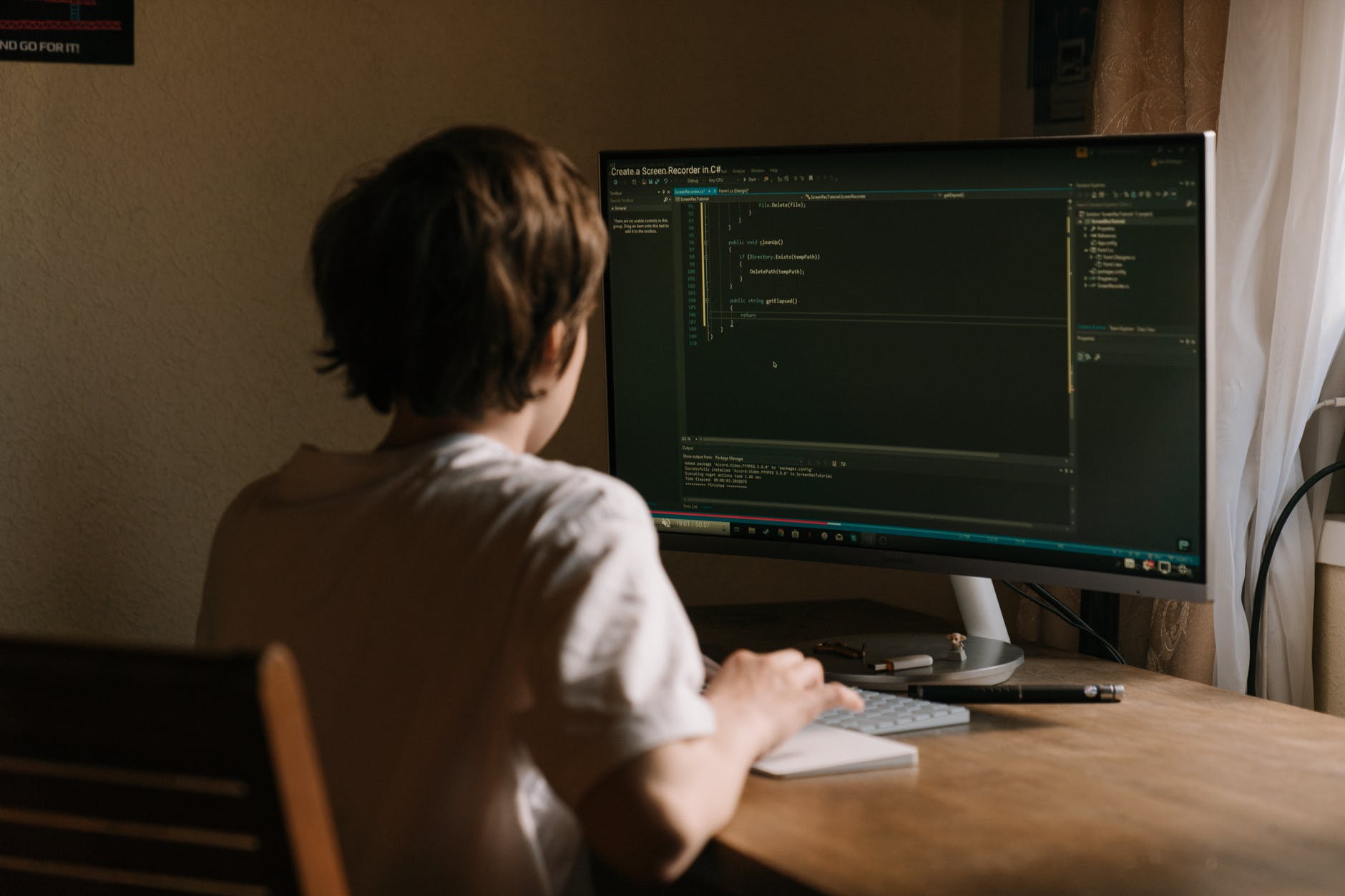
Photo by cottonbro on Pexels.com

Are You Really Safe Online?
💻 How secure is your personal data on the internet?
📱 Are you oversharing on social media without realizing the risks?
🎭 What is Cyber Luring, and could you or your loved ones be at risk?
⚠️ How can you protect yourself and your family from cyber exploitation, scams, and identity theft?
🔐 What steps should you take if your sensitive data has been compromised?
These are critical cybersecurity questions—yet most people don’t think about them until it’s too late. In today’s digital world, cyber threats, scams, and online predators are more sophisticated than ever. Understanding the risks and taking proactive measures is the key to staying safe.
Stay informed, stay protected, and stay tuned for my next article, where I’ll break down essential cybersecurity strategies to keep you and your loved ones safe.
🔹 Your Security Matters! 🔹
— Myriam Sollberger

Photo by Anna Tarazevich on Pexels.com
The Future of Security: Biometrics and Multifactor Authentication (MFA)
In today’s digital landscape, securing personal and business data requires more than just passwords. Multifactor Authentication (MFA) has become an essential security layer, ensuring users provide more than one form of verification to access systems, devices, and sensitive accounts. One of the most advanced and secure MFA methods is Biometric Authentication, which leverages unique biological and behavioral characteristics to verify identity.
What is Biometric Multifactor Authentication?
Biometric MFA enhances traditional authentication by using unique biological traits (fingerprints, facial recognition, iris scanning) or behavioral patterns (keystroke dynamics, voice recognition) instead of relying solely on passwords or PIN codes. This method significantly reduces the risk of identity theft and unauthorized access.
Types of Biometric Authentication
🔹 Biological Biometrics:
✔ Fingerprint Recognition – Used in smartphones, laptops, and security systems for quick and secure access.
✔ Facial Recognition – Advanced AI technology maps facial features for identity verification (Face ID, Windows Hello).
✔ Iris & Retina Scanning – Highly secure and commonly used in high-security sectors.
✔ Voice Recognition – Used in virtual assistants, banking authentication, and smart security systems.
✔ Palm & Vein Patterns – Contactless biometric technology used in advanced security applications.
🔹 Behavioral Biometrics:
✔ Keystroke Dynamics – Measures typing speed, rhythm, and pressure to identify users.
✔ Gait Analysis – Recognizes individuals based on the way they walk, used in surveillance and law enforcement.
✔ Mouse Movement Patterns – Detects inconsistencies in mouse movement as an added security layer.
How Biometrics Are Integrated into Modern Devices
The latest smartphones, laptops, and IoT devices now come equipped with built-in biometric sensors, eliminating the need for external authentication tools:
📱 Mobile Security:
- Facial Recognition & Iris Scanning – Uses front-facing cameras and AI-powered 3D mapping.
- Voice Authentication – Enabled through built-in microphones for banking and assistant apps.
- Keystroke Dynamics – Analyzes typing speed and patterns for added security.
💻 Workstation & Enterprise Authentication:
- Windows Hello & Apple Face ID – Provides secure logins without passwords.
- Biometric Access Control – Used in corporate settings to prevent unauthorized access.
- Multimodal Authentication – Combines multiple biometric factors for increased accuracy.
Why Biometric MFA is the Future of Security
✔ Eliminates the Need for Physical Tokens – No more lost security keys or access cards.
✔ Cannot Be Stolen or Hacked – Unlike passwords, biometrics cannot be copied, guessed, or shared.
✔ Resistant to Social Engineering Attacks – Protects against phishing, fraud, and identity theft.
✔ Prevents Insider Threats & Denial of Responsibility – Stops unethical employees from falsely claiming unauthorized logins.
✔ Enhances User Experience – Provides fast, seamless authentication without the hassle of passwords.
How Biometric MFA Works
When a user attempts to authenticate, the system compares their biometric characteristics with a stored biometric template. The AI-powered system then determines if the match is valid, granting or denying access accordingly. Advanced biometric technology continuously evolves, ensuring greater accuracy and security in authentication processes.
Conclusion
As cyber threats become more sophisticated, organizations and individuals must adopt stronger, more reliable security measures. Biometric MFA is revolutionizing access control, identity verification, and fraud prevention by providing a level of security beyond traditional passwords.
By integrating biometric authentication into everyday devices, we are moving towards a future where digital security is smarter, faster, and more resilient than ever before.
🔹 Stay Cyber Secure. Stay Ahead of Cyber Threats.
Protect yourself
Posted June 26, 2022

Cybercrime(also known as Computer Crimes). What is it? What is considered Cybercrime? What types of crimes fall under the Cybercrimes category? First. Cybercrimes is any criminal act committed by a Cyber Criminal by way of a computer, and/or network, and/or smart device. Cybercriminals commit Cybercrimes for personal gain. Cyber Crook Criminals(as I lovingly like to call them) commit these crimes by either disabling and/or damaging their focus target device or network system; use of malware infection; and/or hijacking the system by way of ransomware cyberattack. One thing you should remember about the Cyber Crook Criminal is their motive. Their motives are strictly financial. These financial motives drive their financial goals by any means necessary. In addition, do not assume that Cyber Criminal Crooks only pursue businesses. Cyber Criminal Crooks do not care if you are a business or an individual! As long as you have something they want they are coming after you. Cybercrimes range from the following:

•	Email fraud
•	Internet fraud
•	Identity theft
•	Credit Card Fraud
•	Banking Fraud or Bank Robbery
•	Gift Card Scams
•	Illegal Downloading
•	Espionage
•	Child Exploitation and Pornography
•	Child Kidnappings via Chatroom and/or social media Luring
•	Scams
•	Cyberterrorism

An article published by Tech Target author Kate Bush, ‘What is Cybercrime?’ stated “Cybercriminals may target an individual's private information or corporate data for theft and resale”(Brush et al., 2021). The bottom line, Cybercrimes are increasing. The way of the traditional street criminal is dissipating. The new Criminal Crook is the Smart Educated Cyber Crook. Also, once these types of crimes are committed, the likelihood of successful prosecution for these crimes is quite challenging. DO NOT count on your local police department to assist you with being victimized by a Cyber Criminal. The truth, our local police are not Cyber trained; lack resources to provide them with the necessary support on how to handle these types of cases; and obtaining personal jurisdiction over these Cyber Crook Criminals is impossible. Why? Here is an example. Your Cybercrime occurs in the United States; however, the Cyber Crook is located in another Country.

As of today, no global intergovernmental authority unified system exists to handle and/or response to these types of crimes. In addition, the laws in the United States are antiquated in comparison to the technology advancements worldwide. “In the analog world, a crime will result in investigations, arrests, and punishment. The world of Cybercrime is more complicated. There are too many cybersecurity incidents and too little law enforcement resources available to keep up with the crime. To add more complexity to the issue, there are jurisdictional boundaries that prevent criminals from being prosecuted”(Prosegur, 2020).

References

Brush, K., Rosencrans, L., & Cobb, M. (2021, September 23). What is cybercrime? definition from search security. Search Security. Retrieved June 26, 2022, from https://www.techtarget.com/searchsecurity/definition/cybercrime


Prosegur, C. (2020, July 16). Challenges of prosecuting cybercrimes: Cybersecurity law. Cipher Prosegur. Retrieved June 26, 2022, from https://cipher.com/blog/prosecuting-cybercrime-challenges/

Sabitov, A. R., Sabitov, R., *, N., 21, C. 4.0 P. on O., 25, J. P. on O., 22, L. P. on O., 22, A. P. on O., 13, A. I. P. on J., Legezo, B. L. D., Hultquist Brian Bartholomew Suguru Ishimaru Vitaly Kamluk Seongsu Park Yusuke Niwa Motohiko Sato, J., Preuss Denis Legezo Costin Raiu Kurt Baumgartner Dan Demeter Yaroslav Shmelev, M., Kwiatkowski Maher Yamout Noushin Shabab Pierre Delcher Félix Aime Giampaolo Dedola Santiago Pontiroli, I., Bestuzhev Costin Raiu Pierre Delcher Brian Bartholomew Boris Larin Ariel Jungheit Fabio Assolini, D., Chan, I. K. A. K. J. R. K., Novikova, S. S. Y., Amr, A., Shcherbel, Y. N. S., Galov, D., Chebyshev, V., & Raiu Marco Preuss Kurt Baumgartner Dan Demeter Ivan Kwiatkowski, C. (2021, May 13). Russian-speaking cybercrime evolution: What changed from 2016 to 2021. Securelist English Global securelistcom. Retrieved June 26, 2022, from https://securelist.com/russian-speaking-cybercrime-evolution-2016-2021/104656/
Photo by Tima Miroshnichenko on Pexels.com
Biometric Authentication & Data Security: Understanding Modern Technology & Best Practices Authentication Stipulations
June 28, 2022

As biometric authentication becomes an integral part of cybersecurity and digital identity verification, understanding how biometric data is captured, stored, and protected is critical to maintaining security and privacy. Biometric authentication relies on unique biological and behavioral characteristics such as fingerprints, facial recognition, iris scans, and voice patterns. However, safeguarding biometric data from security threats is just as important as the technology itself.

How Biometric Data is Processed?

When biometric data is captured by a biometric device, it begins in an analog format that cannot be directly processed by a standard computer. The raw biometric data undergoes digitization, converting it into a machine-readable digital format. However, unlike standard digital files, biometric data is highly sensitive and requires advanced security measures at every stage of processing.

The backend system, often part of an organization’s security infrastructure, is responsible for handling and securing biometric data. This backend operates within the data access layer, either as software, cloud-based storage, or physical hardware. Security must be embedded into every layer of the biometric system, from device authentication to data storage and access control.

Four Key Functions of Biometric Storage

Once authentication is initiated, biometric storage systems follow four essential steps to process and manage biometric data securely:

1️⃣ Image Capture – The biometric device scans the fingerprint, iris, face, or voice pattern of the user.
2️⃣ Feature Extraction – The system identifies distinctive, unique characteristics of the captured biometric sample.
3️⃣ Template Creation & Storage – A mathematical representation (template) of the biometric data is created and stored securely.
4️⃣ Comparison & Matching – When a user attempts authentication, the system compares the new biometric input against the stored template.

Unlike traditional authentication methods, biometric templates cannot be reverse-engineered into their original form, adding an additional layer of security.

The Importance of Secure Biometric Data Storage

Biometric data is unique to every individual, meaning once compromised, it cannot be changed like a password. Because of its permanent nature, biometric data storage requires advanced protection measures to prevent breaches and unauthorized access.

Modern biometric storage solutions utilize one-way encryption and encoding systems, ensuring that biometric templates remain secure and cannot be extracted in their original form. The risk of cyber threats targeting biometric databases has increased significantly, making robust security protocols a top priority.

Best Practices for Securing Biometric Data

To safeguard biometric data from unauthorized access, breaches, and cyberattacks, organizations should implement the following security measures:

🔹 Data Encryption – Encrypt biometric data at rest (when stored) and in transit (when being transmitted between devices and backend servers). Advanced encryption algorithms such as AES-256 and homomorphic encryption enhance data protection.

🔹 Restricted Access Control – Only authorized users should have access to biometric databases. Multi-factor authentication (MFA) should be required for accessing sensitive biometric systems.

🔹Zero Trust Security Model – Organizations should implement a Zero Trust architecture, ensuring that no user, device, or system is trusted by default.

🔹 Deactivating Unused Services – Any unnecessary services on biometric database servers should be disabled to minimize security vulnerabilities.

🔹 Use of Secure Cloud-Based Storage – Organizations adopting biometric cloud authentication should ensure that biometric data is stored in privacy-compliant, encrypted cloud environments.

🔹Blockchain for Biometric Security – Decentralized biometric authentication using blockchain technology can eliminate the risk of centralized data breaches by distributing encrypted biometric templates across multiple nodes.

Why Biometric Data Security Matters

As biometric authentication becomes the future of cybersecurity, securing biometric data storage, encryption, and access controls is non-negotiable. The risk of biometric identity theft, cyber fraud, and unauthorized surveillance is growing, making it essential for individuals and organizations to adopt state-of-the-art security measures.

Ensuring biometric security is integrated into every stage of authentication, from data collection to backend storage, is key to protecting sensitive personal information in the digital age.

🔹 Stay Secure. Stay Informed. Stay CyberSafe. 🔹

Photo by Pixabay on Pexels.com
"Social engineering is the term used for a broad range of malicious activities accomplished through human interactions. It uses psychological manipulation to trick users into making security mistakes or giving away sensitive information"(Channel , 2019).

Reference:
Channel , I. P. E. (2019, December 29). What is Social Engineering: Attack Techniques & Prevention Methods: Imperva. Learning Center. Retrieved July 2, 2022, from https://www.imperva.com/learn/application-security/social-engineering-attack/
Hillsborough County | Florida | (813)591-0835 | myriamsollberger21@cybersecuritygrcpro.com
CyberSafe Solutions Consulting
Copyright @ cybersecuritygrcpro 2022. Any illegal reproduction of this content will result in immediate legal action.
 Data Privacy Cybersecurity Paralegal